
Understanding Wine Pairing: A Beginner's Guide
Demystify wine pairing with this comprehensive guide. Learn the principles behind matching wine with food and build confidence in your selections.
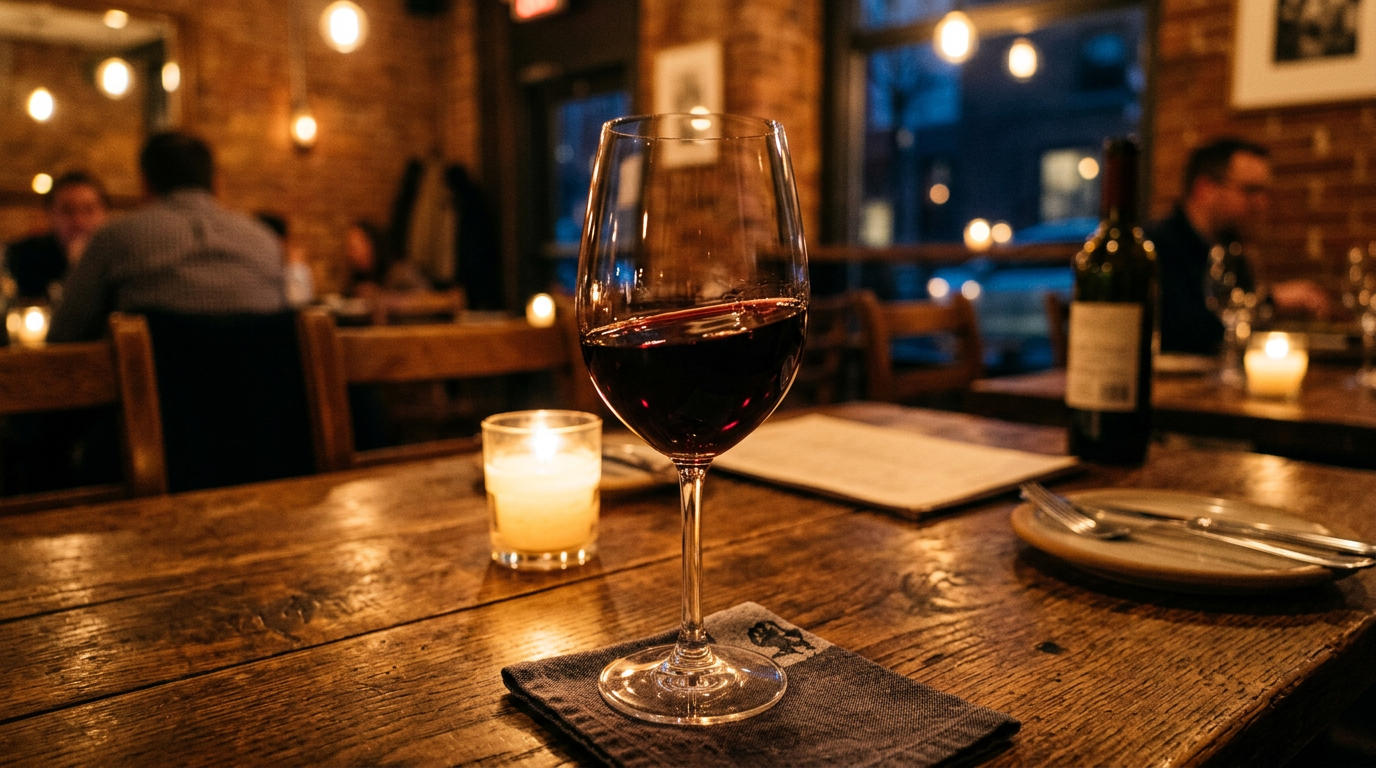
The art and science of wine pairing can seem intimidating, with its complex terminology and seemingly endless varieties. However, the fundamentals are straightforward, and with a basic understanding of a few key principles, you can make confident choices that enhance both your food and wine. The goal of wine pairing is simple: create a harmonious combination where neither the food nor the wine overpowers the other, and ideally, both are enhanced by the partnership.
Basic principles of pairing start with matching weight and intensity. The most important principle is matching the weight, or body, of the wine with the weight of the food. Light wines such as Pinot Grigio and Beaujolais pair with delicate dishes like fish, salads, and light pasta. Medium wines such as Chardonnay and Merlot pair with moderate dishes like chicken, pork, and creamy sauces. Full wines such as Cabernet Sauvignon and Syrah pair with hearty dishes like steak, lamb, and rich stews. Flavor intensity also matters. Delicate foods need delicate wines, bold and spicy foods need bold wines, and subtle flavors can be overwhelmed by strong wines. Regional pairing is another useful guide because foods and wines from the same region often pair well together. Italian food works with Italian wines, French cuisine with French wines, and Spanish tapas with Spanish wines. This works because regional cuisines and wines evolved together over centuries.
Understanding wine characteristics helps you make better choices. Body refers to the weight and fullness of wine in your mouth. Light-bodied wines feel thin and watery, like skim milk. Medium-bodied wines have moderate weight, like whole milk. Full-bodied wines feel rich and heavy, like cream. Factors affecting body include alcohol content, where higher alcohol means a fuller body, grape variety, and the climate where grapes were grown. Acidity provides freshness and crispness. High acidity is crisp, tart, and refreshing, as in Sauvignon Blanc and Riesling. Medium acidity is balanced, as in Chardonnay and Pinot Noir. Low acidity is soft and round, as in Viognier and Merlot. A pairing tip is that high-acid wines cut through rich, fatty foods. Tannins create a drying, astringent sensation, primarily in red wines. High tannin wines include Cabernet Sauvignon, Nebbiolo, and Syrah. Medium tannin wines include Merlot, Sangiovese, and Tempranillo. Low tannin wines include Pinot Noir, Gamay, and Grenache. A pairing tip is that tannins bind with proteins, making them excellent with red meat. Sweetness ranges from dry, with no perceptible sweetness, as in most table wines, to off-dry, with slight sweetness, as in Riesling and Gewürztraminer, to sweet, with noticeable sweetness, as in Moscato, Port, and Sauternes. A pairing tip is that sweet wines balance spicy foods and complement desserts.
Classic pairings are easy to understand once you know why they work. Red wine with red meat works because tannins in red wine bind with proteins in meat, softening the wine's astringency. The richness of the meat balances the wine's structure and creates a harmonious mouthfeel. Best combinations include Cabernet Sauvignon with filet mignon, Syrah or Shiraz with lamb, Malbec with grilled steak, and Sangiovese with beef stew. White wine with fish and poultry works because the lighter body matches delicate proteins, acidity cuts through richness such as butter and cream sauces, the wine does not overwhelm subtle flavors, and the flavor profiles are complementary. Best combinations include Chardonnay with roasted chicken, Sauvignon Blanc with goat cheese salad, Pinot Grigio with seafood pasta, and Riesling with spicy Asian dishes. Sparkling wine with everything works because bubbles cleanse the palate, acidity cuts through richness, it is versatile across many food types, and it feels celebratory and festive. Best combinations include Champagne with oysters, Prosecco with appetizers, Cava with tapas, and Crémant with fried foods.
When pairing by food type, pasta and Italian dishes offer many options. Tomato-based sauces work with Chianti, Sangiovese, and Barbera. Cream sauces work with Chardonnay, Pinot Grigio, and Soave. Pesto works with Vermentino, Sauvignon Blanc, and dry Rosé. Seafood pasta works with Verdicchio, Gavi, and Albariño. Asian cuisine also has useful matches. Thai food pairs with Riesling, Gewürztraminer, and Grüner Veltliner. Chinese food pairs with Pinot Noir, Riesling, and Champagne. Japanese food pairs with sake, Pinot Noir, and Chardonnay. Indian food pairs with Riesling, Gewürztraminer, and Rosé. Cheese pairings depend on the style. Soft cheeses such as Brie work with Champagne, Chardonnay, and Pinot Noir. Hard cheeses such as Cheddar work with Cabernet Sauvignon, Merlot, and Port. Blue cheese works with Sauternes, Port, and sweet Riesling. Goat cheese works with Sauvignon Blanc, Sancerre, and Rosé. Desserts also have natural matches. Chocolate pairs with Port, Banyuls, and sweet Shiraz. Fruit tarts pair with Moscato, Riesling, and Brachetto. Cheesecake pairs with Riesling, Moscato, and Champagne. Ice cream pairs with Brachetto, sweet Rosé, and Moscato.
There are common pairing mistakes to avoid. Overpowering delicate foods is one of them; a bold Cabernet Sauvignon will overwhelm a delicate fish dish, so match intensity appropriately. Ignoring sauce and preparation is another mistake because the sauce often matters more than the protein. Chicken with cream sauce needs a different wine than chicken with tomato sauce, so consider the dominant flavor in the dish. Sweet wine with savory food is usually a mismatch, though there are exceptions: off-dry Riesling with spicy food, sweet wines with blue cheese, and dessert wines with foie gras. Too many competing flavors can also be a problem. If a dish has many strong flavors, choose a simple, clean wine that will not compete.
Building your wine knowledge starts with tasting notes. Develop your palate by paying attention to aroma, or what you smell, such as fruit, flowers, earth, and spice; flavor, or what you taste, such as fruit, mineral, oak, and herb; structure, or how it feels, such as acid, tannin, body, and alcohol; and finish, or how long the flavor lasts. Keep a wine journal and record the wine name and producer, region and vintage, what you paired it with, your tasting notes, and whether you would buy it again. Explore systematically by trying different grapes from the same region, trying the same grape from different regions, comparing price points within a style, and attending tastings and winery events.
Budget-friendly tips can help you drink well without spending too much. Some regions offer excellent quality at lower prices. Portugal has great value reds and whites. Spain has excellent Rioja and Ribera del Duero. Southern France has good Côtes du Rhône and Languedoc. Chile and Argentina offer quality Malbec and Cabernet. Alternative grapes can also deliver similar styles for less. Instead of expensive Burgundy, try Côte du Rhône. Instead of Napa Cabernet, try Washington State. Instead of Champagne, try Crémant or Cava. Buy smart by shopping at wine stores with knowledgeable staff, looking for store brands and exclusive labels, buying by the case for discounts, and attending wine shop tastings to try before buying.
In conclusion, wine pairing does not have to be intimidating. Start with the basic principle of matching weight and intensity, then experiment with different combinations. Trust your palate, because personal preference matters most. The best wine pairing is one that you enjoy. Use these guidelines as a starting point, but do not be afraid to break the rules if a combination works for you. With practice and exploration, you will develop confidence and discover your own favorite pairings.


