
Superfoods You Should Actually Be Eating
Forget the hype. These are the foods that truly deserve the superfood label, with solid scientific evidence to back up their health claims.
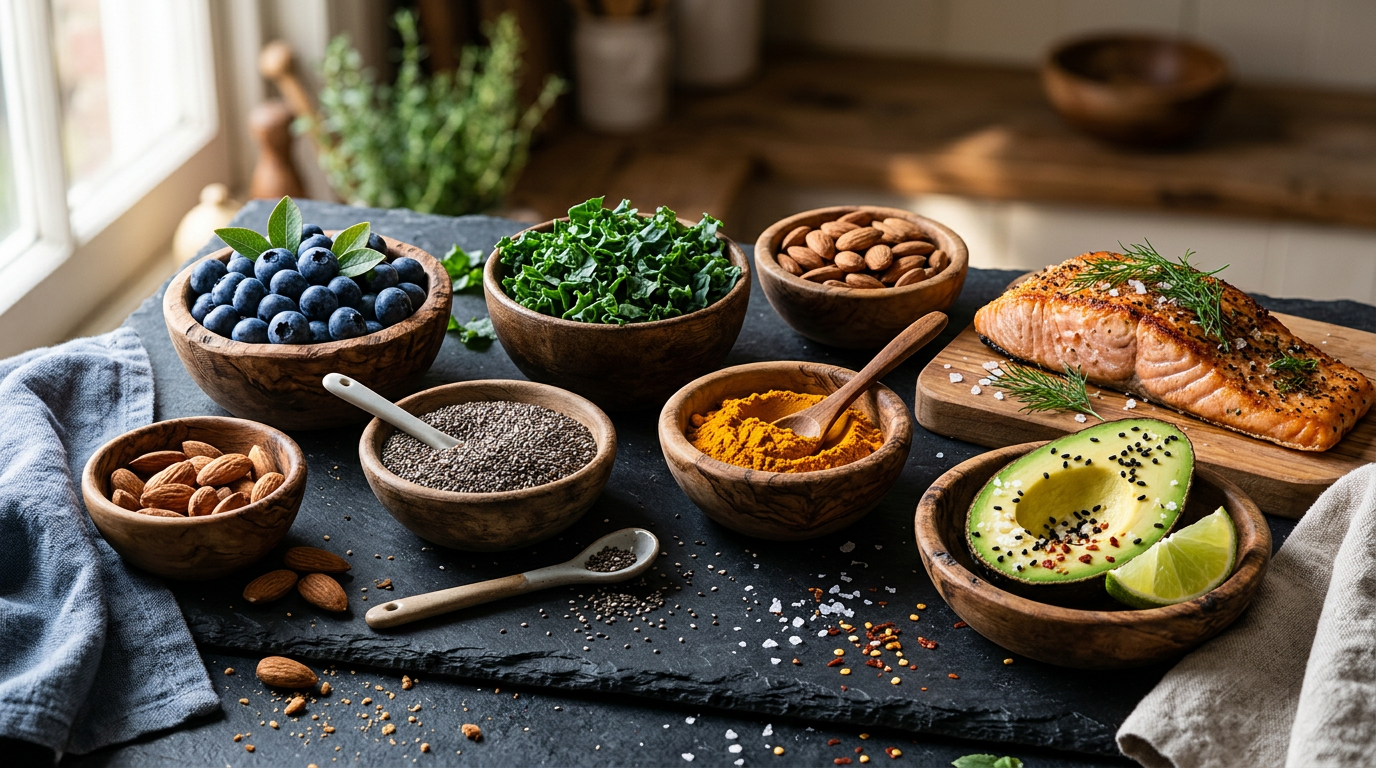
Cutting through the superfood noise, the term "superfood" gets thrown around so liberally these days that it has almost lost its meaning. Acai bowls, goji berries, chia seeds — they are marketed as miracle foods that will transform your health. But which ones actually deliver on their promises? We consulted the latest nutritional research to identify the foods that genuinely earn the superfood designation. No marketing spin, just evidence.
Blueberries, often described as the brain berry, are one of the most researched superfoods, and the results are impressive. They are packed with anthocyanins — the pigments that give them their deep blue color and act as powerful antioxidants. A landmark study from the University of Reading found that regular blueberry consumption improved memory and cognitive function in older adults. The flavonoids in blueberries appear to accumulate in brain regions responsible for memory, protecting neurons from damage and reducing inflammation. How to eat them: Fresh or frozen (frozen retains the same nutrient levels). Add to smoothies, oatmeal, yogurt, or simply eat them by the handful. Aim for about one cup per day.
Wild-caught salmon is an omega powerhouse and one of the best sources of omega-3 fatty acids (EPA and DHA) in the world. These essential fats play critical roles in brain function, heart health, and inflammation regulation. A comprehensive meta-analysis published in Critical Reviews in Food Science and Nutrition found that regular fish consumption (particularly fatty fish like salmon) was associated with a 20% reduced risk of heart disease, stroke, and overall mortality. Wild vs. farmed: Wild-caught salmon generally has a better omega-3 to omega-6 ratio and fewer contaminants. However, farmed salmon still provides significant omega-3s and is a more affordable option.
Leafy greens, the longevity food, include kale, spinach, Swiss chard, collard greens, and arugula, and they deserve their superfood status. They are nutrient-dense powerhouses loaded with vitamins A, C, K, folate, magnesium, and fiber — all for very few calories. The Nurses' Health Study, one of the longest-running studies on women's health, found that higher intake of leafy green vegetables was associated with a significantly lower risk of type 2 diabetes. Each additional daily serving of leafy greens was associated with a 14% reduction in diabetes risk. Daily target: Aim for at least 2-3 cups of raw leafy greens or 1 cup cooked per day.
Fermented foods — kimchi, sauerkraut, kefir, kombucha, miso, and yogurt — contain live probiotic bacteria that support gut health, making them gut healers. The gut microbiome is now understood to influence everything from immunity to mental health. A 2021 study from Stanford University found that increasing fermented food consumption for just 10 weeks increased microbiome diversity and decreased markers of inflammation. The effects were most pronounced in people who had the highest initial inflammation levels. Start slowly: Introduce fermented foods gradually. Begin with small amounts (a tablespoon of sauerkraut or a few ounces of kefir) and increase over time to avoid digestive discomfort.
Walnuts are the brain nut. Among all nuts, walnuts stand out for their exceptional alpha-linolenic acid (ALA) content — the plant-based omega-3 fatty acid. They are also rich in polyphenols, vitamin E, and melatonin. The PREDIMED study found that participants who consumed 30 grams of mixed nuts daily (with walnuts comprising half) had improved cognitive function compared to the control group. Walnuts specifically were associated with better memory and processing speed. Storage tip: Walnuts go rancid quickly due to their high fat content. Store them in the freezer for up to 6 months.
Beans and lentils are the forgotten superfood. While not trendy, legumes are among the most health-promoting foods on the planet. They are rich in fiber, plant protein, folate, iron, and resistant starch that feeds beneficial gut bacteria. A systematic review in the American Journal of Clinical Nutrition found that legume consumption significantly lowered LDL cholesterol, fasting blood glucose, and blood pressure. Populations that eat the most legumes consistently show the lowest rates of chronic disease. Practical tip: Add a half cup of beans or lentils to your daily diet. Use them in soups, salads, or as a side dish. Canned beans are just as nutritious — just rinse them to reduce sodium.
The bottom line is that superfoods are not magic bullets. They work as part of an overall healthy dietary pattern. The key is variety — rotate these foods regularly to get a broad spectrum of nutrients. And remember: the best superfood is one that you actually enjoy eating and will incorporate into your daily routine.


