
Seasonal Eating: A Guide to Cooking with the Seasons
Learn how to eat and cook with the seasons for better flavor, nutrition, and sustainability. Discover what produce is at its peak throughout the year.
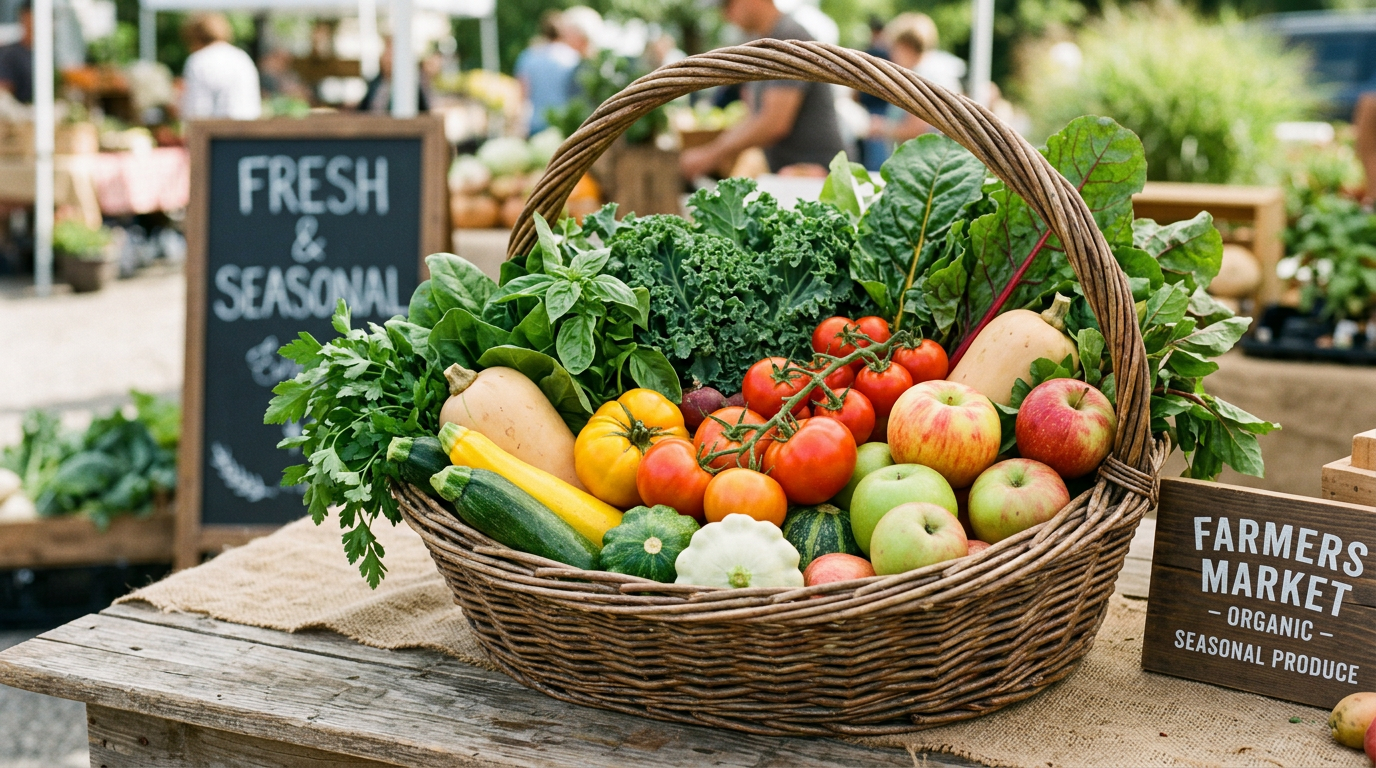
The wisdom of seasonal eating is rooted in a simple fact: for most of human history, eating seasonally wasn't a choice—it was necessity. Our ancestors ate what was available in their region at any given time, developing culinary traditions that celebrated the unique flavors of each season. Today, with global supply chains providing year-round access to virtually any produce, we've lost touch with this natural rhythm. But seasonal eating offers benefits that extend far beyond nostalgia: superior flavor, better nutrition, environmental sustainability, and support for local farmers.
Why eat seasonally? The answer begins with flavor. Produce harvested at peak ripeness and consumed shortly after offers flavors that simply cannot be matched by items picked early and shipped long distances. A tomato ripened on the vine in summer sunshine tastes fundamentally different from one ripened in transit. Studies also show that produce loses nutrients over time, while seasonal, locally-grown foods spend less time in transit and storage, preserving their vitamin and mineral content. The environmental case is equally strong: reduced transportation emissions, less need for artificial ripening and preservation, support for sustainable farming practices, and lower energy consumption for storage. Buying seasonal produce from local farmers also keeps money in your community and supports sustainable agriculture.
Spring is the season of renewal, bringing tender greens, early vegetables, and the first fruits of the year. Peak vegetables include asparagus, peas—both snap and shelling—radishes, spring onions and scallions, artichokes, fava beans, baby carrots, and spinach and lettuce. Fruits include strawberries in late spring, rhubarb, and cherries in late spring. Herbs include chives, parsley, cilantro, dill, and mint. For cooking, keep preparations simple to highlight delicate flavors; light sautéing or steaming preserves texture and nutrients; raw preparations showcase spring's tender produce; and pair with light proteins like fish and chicken. Signature spring dishes include asparagus with hollandaise sauce, spring pea soup with mint, strawberry rhubarb crisp, and fresh herb salads with citrus vinaigrette.
Summer is the season of abundance, with the widest variety of fruits and vegetables at their peak. Vegetables include tomatoes of all varieties, zucchini and summer squash, eggplant, bell peppers, corn, green beans, cucumbers, and okra. Fruits include berries—blueberries, raspberries, blackberries—peaches and nectarines, plums, melons such as watermelon, cantaloupe, and honeydew, figs, and apricots. Herbs include basil, oregano, thyme, rosemary, and sage. For cooking, embrace raw preparations and salads; grilling adds smoky flavor to vegetables and fruits; preserve the harvest through canning, freezing, or drying; and light, refreshing dishes combat the heat. Signature summer dishes include caprese salad with heirloom tomatoes, grilled vegetable platters, fresh berry tarts and pies, gazpacho and cold soups, and corn on the cob with herb butter.
Autumn brings hearty vegetables, apples, and the transition to comfort foods. Peak vegetables include pumpkins and winter squash, sweet potatoes, Brussels sprouts, cauliflower, broccoli, kale and chard, mushrooms—wild varieties—and beets. Fruits include apples in numerous varieties, pears, grapes, pomegranates, persimmons, and cranberries. Herbs include sage, rosemary, thyme, and bay leaves. For cooking, roasting brings out sweetness in root vegetables; slow cooking methods suit heartier produce; preserving techniques extend the harvest; and warming spices complement autumn flavors. Signature autumn dishes include butternut squash soup, apple crisp with oat topping, roasted Brussels sprouts with bacon, mushroom risotto, and pumpkin pie and bread.
Winter relies on storage crops, preserved foods, and greenhouse production. Peak vegetables include root vegetables such as carrots, parsnips, and turnips; winter squash stored from autumn; potatoes; onions and garlic; cabbage; leeks; and celery. Fruits include citrus—oranges, grapefruit, lemons—pomegranates in early winter, and stored apples and pears. Herbs include dried herbs from the summer harvest and hardy fresh herbs such as rosemary and thyme. For cooking, slow-cooked stews and braises provide warmth and comfort; root vegetables shine in roasted preparations; citrus adds brightness to heavy winter dishes; and preserved foods from summer and autumn extend variety. Signature winter dishes include hearty beef stew with root vegetables, citrus salads with fennel, roasted butternut squash with sage, potato gratin, and mulled wine and spiced cider.
Building a seasonal kitchen starts with shopping at farmers markets, which connect you directly with local producers who can tell you exactly when produce was harvested and how it was grown. Joining a CSA—Community Supported Agriculture—provides regular boxes of seasonal produce from local farms, encouraging you to cook with what's available. Learning to preserve extends the harvest through canning tomatoes, jams, and pickles; freezing berries, blanched vegetables, and herbs in oil; drying herbs, fruits, and mushrooms; and fermenting sauerkraut, kimchi, and pickles. Plan meals around produce: instead of deciding what to cook and then shopping, visit the market first and let the best available produce inspire your meals.
Seasonal eating does have challenges. Limited variety in winter can feel restrictive, but it's an opportunity to explore root vegetables and winter squash, use preserved foods from summer, focus on different cooking methods, and appreciate the natural rhythm of scarcity and abundance. Convenience and time are also real considerations, since seasonal cooking requires more planning and preparation. Start small: choose one seasonal meal per week, gradually increase as you build skills, and batch cook and freeze for busy days. Cost can be a factor, too. While seasonal produce can be cheaper at peak season, some items may cost more. Prioritize items that taste dramatically better in season, such as tomatoes and berries; staples that are consistently affordable; and special treats when budget allows.
Seasonal eating reconnects us with the natural rhythms of our environment and offers benefits for our health, taste buds, and planet. While it requires some adjustment in our modern world of year-round availability, the rewards are substantial. Start by identifying what's in season in your region, visit local markets, and allow the produce to guide your cooking. Over time, you'll develop an intuitive understanding of seasonal rhythms and discover flavors that make each time of year special.


