
The History of Chocolate: From Ancient Ritual to Modern Treat
Trace the fascinating journey of chocolate from its Mesoamerican origins to the global confection we know today. Discover how chocolate evolved from bitter drink to sweet indulgence.
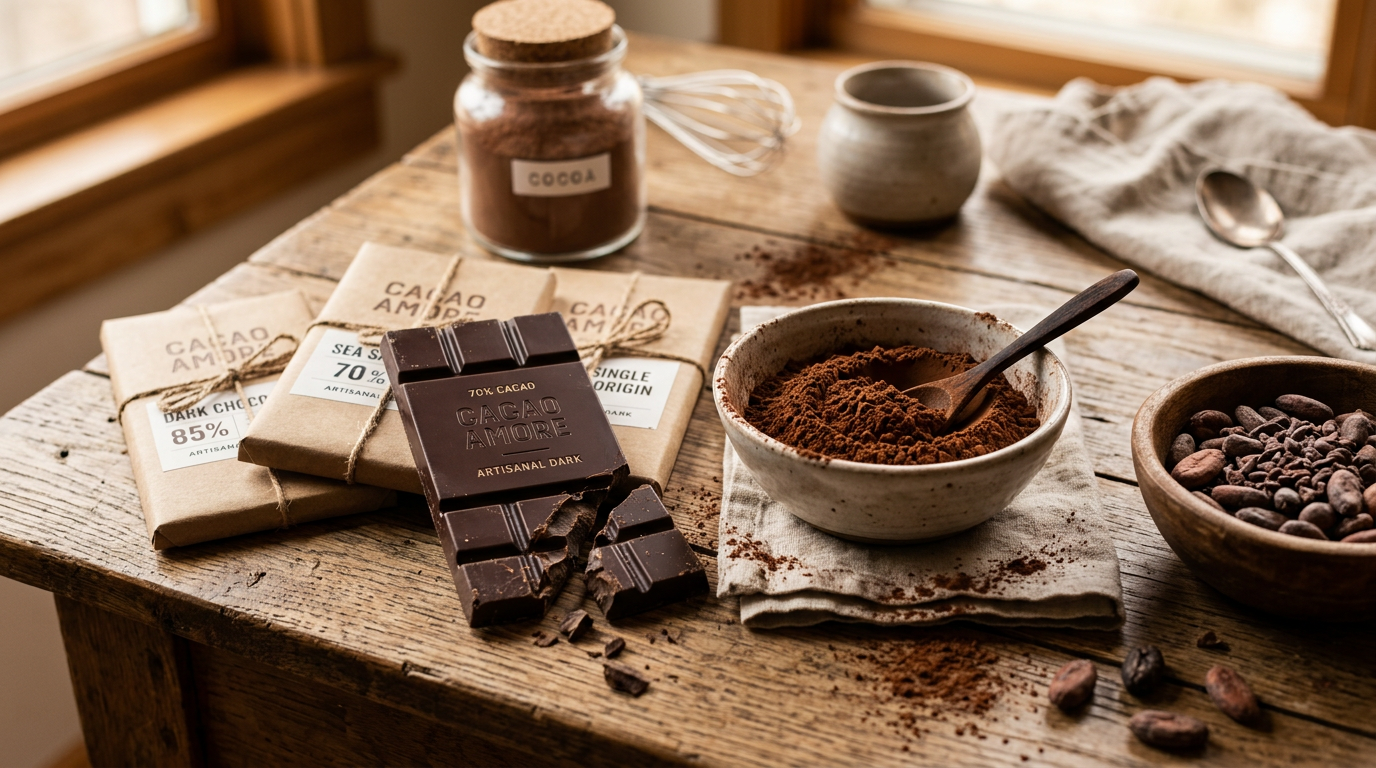
The story of chocolate begins over 3,000 years ago in the tropical regions of Central and South America. Long before it became the sweet treat we know today, chocolate was a bitter, frothy beverage consumed by ancient civilizations for its energizing and ceremonial properties. The word "chocolate" comes from the Nahuatl word "xocolātl," meaning "bitter water," a fitting description of the original chocolate drink, which had little resemblance to modern hot cocoa.
The Olmec civilization, which flourished in what is now Mexico from 1500 to 400 BCE, is credited with being the first to cultivate cacao trees and process cacao beans into a beverage. The Olmecs developed the basic process later civilizations would refine. They harvested cacao pods from trees, extracted and fermented the beans, dried, roasted, and ground them, and mixed the result with water and spices to create a bitter drink. This beverage was consumed mainly by priests and nobility during religious ceremonies and important rituals.
The Maya civilization, from 250 to 900 CE, elevated chocolate to new cultural heights. For the Maya, chocolate was far more than a beverage. It was currency, medicine, and a sacred drink. Cacao beans were used as money throughout Mesoamerica. Chocolate was offered to gods and consumed during rituals. Couples exchanged cacao beans as symbols of union in marriage ceremonies. It was also used to treat ailments ranging from fatigue to stomach problems.
The Maya prepared chocolate by grinding roasted cacao beans on a stone metate, mixing them with water, cornmeal, and chili peppers, and pouring the mixture between vessels to create a frothy top. It was served at room temperature or slightly warm. This drink was bitter, spicy, and frothy, nothing like modern sweetened hot chocolate.
The Aztec Empire, from 1300 to 1521 CE, inherited and expanded the chocolate culture of earlier civilizations. For the Aztecs, chocolate was associated with Quetzalcoatl, the feathered serpent god who, according to legend, brought cacao to humanity. Only nobility, warriors, and merchants regularly consumed chocolate. Conquered regions paid tribute in cacao beans. Warriors received chocolate for energy during campaigns. Montezuma II reportedly drank 50 cups of chocolate daily from golden goblets. The Aztecs flavored their chocolate with vanilla, chili peppers, honey when available, various flowers and spices, and achiote for red color.
Christopher Columbus encountered cacao beans during his fourth voyage to the New World in 1502, but he did not recognize their significance. He brought some beans back to Spain, but they attracted little interest. Hernán Cortés and his conquistadors encountered the Aztec chocolate culture when they conquered Mexico between 1519 and 1521. Recognizing the economic value of cacao, Cortés established plantations and began exporting beans to Spain.
The Spanish transformed chocolate to suit European tastes. They added sugar and honey to counteract bitterness, served it hot instead of at room temperature, removed chili peppers and savory spices, added cinnamon and vanilla for familiar flavors, and kept it secret from other European nations for nearly a century.
Spain maintained a monopoly on chocolate for about 100 years, consuming it as a luxury beverage among the nobility. Spanish monasteries played a key role in refining chocolate preparation. Chocolate entered France in the 17th century through Anne of Austria, a Spanish princess who married Louis XIII. Louis XIV, the Sun King, made chocolate fashionable at court, and chocolate houses were established in Paris for the elite.
In England, chocolate houses similar to coffee houses served the wealthy. It was promoted for medicinal benefits and remained a luxury item for the upper classes because of its high cost. Italy developed chocolate confections and solid chocolate. Germany created chocolate manufacturing techniques. Switzerland later became famous for milk chocolate and smooth texture.
The Industrial Revolution brought chocolate to the masses. In 1828, Coenraad van Houten invented the cocoa press, which separated cocoa butter from cocoa solids. He created cocoa powder that was easier to mix with water and made chocolate production more efficient and affordable. In 1847, Joseph Fry created the first modern chocolate bar by mixing cocoa powder, sugar, and cocoa butter, transforming chocolate from a drink into a solid confection.
In 1875, Daniel Peter invented milk chocolate by adding powdered milk to chocolate, creating a smoother, sweeter product that appealed to wider audiences. In 1879, Rodolphe Lindt invented conching, a process that refines chocolate texture and created the smooth, melt-in-your-mouth chocolate we know today.
The 20th century saw chocolate transform from a luxury item to an everyday treat. Milton Hershey made milk chocolate affordable for average Americans. Cadbury popularized chocolate in Britain with boxed assortments. Nestlé created chocolate milk powder and various confections. Mars introduced candy bars with nougat and caramel. Both World Wars impacted chocolate production and consumption. Rationing limited chocolate availability during wars, while chocolate bars provided energy to soldiers as military rations. After the wars, production increased and new products appeared.
Today's chocolate industry is characterized by global production, with West Africa producing 70 percent of the world's cacao. Mass market brands such as Hershey's, Mars, and Nestlé dominate. The craft chocolate movement includes small-batch, bean-to-bar producers. Fair trade initiatives address labor and sustainability concerns.
Dark chocolate contains 50 to 90 percent cocoa solids, has less sugar than milk chocolate, offers a rich, intense flavor, and may have health benefits from antioxidants. Milk chocolate contains 10 to 50 percent cocoa solids, has added milk powder or condensed milk, is sweeter and creamier, and is the most popular type worldwide. White chocolate contains cocoa butter but no cocoa solids, has a sweet, creamy flavor, is controversial in its classification as chocolate, and is popular in confections and baking.
Specialty chocolates include single-origin chocolate from specific regions, similar to wine; bean-to-bar chocolate from small producers who control the entire process; flavored chocolate infused with spices, fruits, or other ingredients; and artisan chocolate handcrafted with unique techniques.
The future of chocolate faces sustainability challenges. Climate change threatens cacao-growing regions. Deforestation is linked to cacao farming. Labor issues include child labor and unfair wages in production. Pests and diseases threaten cacao trees. Innovations include sustainable farming through shade-grown cacao and agroforestry, alternative chocolates made from other plants or grown in labs, transparency through blockchain tracking from bean to bar, and health-focused products with reduced sugar and added nutrients.
From its ancient origins as a bitter ceremonial drink to its modern status as a beloved global treat, chocolate has undergone a remarkable transformation. Its journey reflects broader themes of cultural exchange, technological innovation, and the human desire for pleasure and indulgence. Today's chocolate lovers can appreciate this rich history while supporting sustainable, ethical production that ensures chocolate remains available for future generations.


