
A Guide to Herbal Teas and Their Health Benefits
Discover the world of herbal teas and their therapeutic properties. From calming chamomile to energizing peppermint, learn which herbs can support your wellness goals.
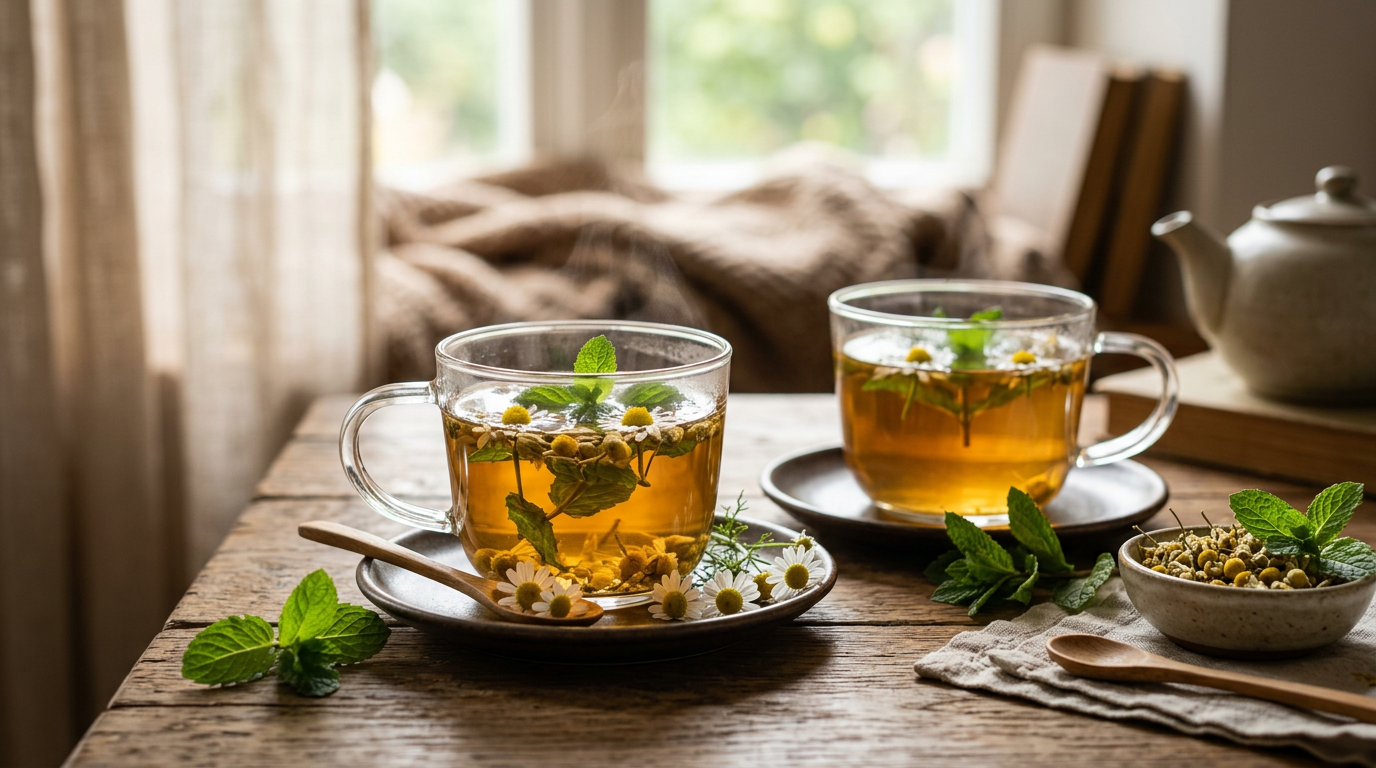
Herbal teas, also known as tisanes, have been consumed for thousands of years across cultures for their medicinal properties and soothing rituals. Unlike true teas—black, green, white, and oolong—which come from the Camellia sinensis plant, herbal teas are infusions of various plant parts including leaves, flowers, roots, bark, and seeds. Today, herbal teas continue to be popular not just for their flavors but for their potential health benefits. Here are some of the most beneficial herbal teas and how to incorporate them into your daily routine.
Chamomile is perhaps the most well-known herbal tea, prized for its gentle sedative properties and apple-like flavor. It contains apigenin, an antioxidant that binds to receptors in your brain promoting sleepiness. As a digestive aid, it soothes stomach discomfort and reduces inflammation. It can also provide anxiety relief through mild calming effects without drowsiness, and it may help reduce inflammation throughout the body. To brew, use 1-2 teaspoons of dried chamomile flowers per cup of hot water—not boiling, around 200°F. Steep for 5-10 minutes for optimal flavor and benefits.
Peppermint tea offers a refreshing, cooling sensation and is particularly beneficial for digestive health. It relaxes digestive tract muscles, reducing bloating and gas. It may help tension headaches when consumed regularly. Its menthol content can help clear nasal congestion, and its invigorating aroma and flavor provide an energy boost without caffeine. Peppermint tea is excellent after meals to aid digestion or in the afternoon when you need a refreshing pick-me-up without caffeine.
Ginger tea has a spicy, warming flavor and is renowned for its medicinal properties, particularly for nausea and inflammation. It is effective against motion sickness, morning sickness, and chemotherapy-induced nausea. It contains gingerol, a powerful anti-inflammatory compound. Its warming properties may help fight colds and flu, and some studies suggest ginger may help lower blood sugar. Fresh ginger root provides the most potent benefits. Slice or grate 1-2 inches of fresh ginger and steep in hot water for 10-15 minutes. Add honey and lemon for enhanced flavor and benefits.
Hibiscus tea has a tart, cranberry-like flavor and a beautiful ruby-red color. It is packed with antioxidants and may support heart health. Studies suggest hibiscus may help lower blood pressure. It contains anthocyanins and other powerful antioxidants. It may support liver function and protect against damage, and some research indicates potential cholesterol-lowering effects. Hibiscus tea is naturally tart and is often sweetened with honey or sugar. It can be enjoyed hot or as a refreshing iced tea.
Rooibos, or red bush tea, comes from South Africa and offers a naturally sweet, nutty flavor without any caffeine. It is perfect for evening consumption or for those sensitive to caffeine. It contains iron, calcium, copper, and zinc. It has unique antioxidants like aspalathin, and some studies suggest rooibos may benefit skin health. Rooibos is excellent both hot and cold, and its naturally sweet flavor means it requires little or no added sweetener.
Echinacea tea is popular for its potential immune-boosting properties, especially during cold and flu season. It may help reduce the duration and severity of colds. It contains compounds that may reduce inflammation. It is rich in antioxidants that protect cells from damage. Many people drink echinacea tea at the first sign of a cold or during winter months as a preventive measure.
Lavender tea offers a floral, soothing flavor and is renowned for its calming properties. Aromatherapy research supports lavender’s calming effects, and it may improve sleep quality when consumed before bedtime. It can help soothe an upset stomach and may help reduce tension headaches. Lavender is potent, so use sparingly—about 1/2 teaspoon of dried buds per cup. Combine with chamomile for enhanced relaxation benefits.
Turmeric tea, often called golden milk when made with milk, has an earthy, slightly bitter flavor and is celebrated for its anti-inflammatory properties. Curcumin, the active compound, is a potent anti-inflammatory. It may help reduce joint pain and stiffness. Curcumin may support cognitive function. It neutralizes free radicals and boosts the body’s antioxidant enzymes. Curcumin is poorly absorbed on its own. Add a pinch of black pepper, which contains piperine, to increase absorption by up to 2000%.
To build your herbal tea routine, you might choose peppermint or ginger in the morning for energizing and digestive support, or green tea with herbs for gentle caffeine with added benefits. In the afternoon, hibiscus iced is refreshing and antioxidant-rich, while rooibos is a caffeine-free alternative to black tea. In the evening, chamomile or lavender can be calming and sleep-supportive, and valerian root can be used sparingly for deeper relaxation.
While herbal teas are generally safe, consider these guidelines. Some herbs are not recommended during pregnancy, so consult your healthcare provider. Certain herbs may interact with medications, so check with your doctor. If you are allergic to plants in the daisy family, avoid chamomile and echinacea. Even beneficial herbs should be consumed in moderation.
Herbal teas offer a delicious, natural way to support your health and wellness. By understanding the unique properties of different herbs, you can create a personalized tea routine that addresses your specific needs. Start with one or two herbs that align with your health goals, and gradually explore others. Remember that consistency is key—many benefits accumulate with regular consumption over time.


